Composite bonding is tooth-coloured material shaped directly onto your tooth by hand and hardened in place. It changes shape, length and shade without anything being sent to a laboratory — which is why it is both the most affordable option we offer and the fastest.
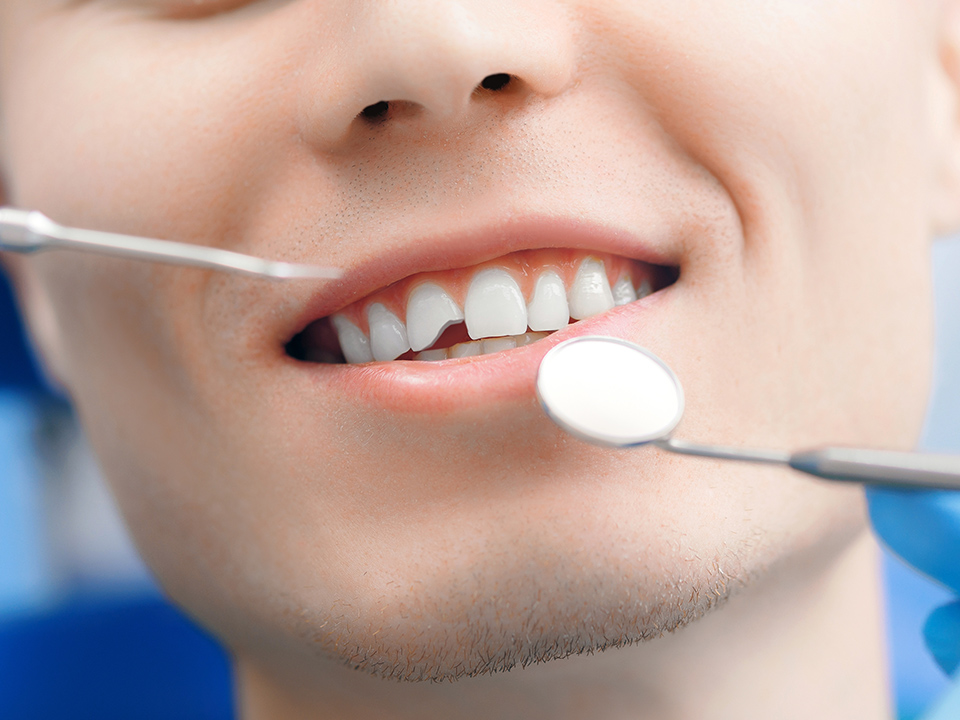
The cheapest way in is not the wrong way in.
Plenty of patients want a smaller change than a full veneer case, or want to see what a different shape looks like before committing to porcelain. Bonding does both, for a fraction of the investment.
What it is
Sculpted by hand, in the chair
The difference between bonding and everything else on this site is that nothing goes to a lab. It happens here, with you in the chair.
Composite resin, shaped and cured
A tooth-coloured composite is applied to the tooth, shaped by hand into the form we are after, then hardened with a curing light. It is then polished until it reads like enamel rather than like material sitting on top of a tooth.
Because the shaping happens in the mouth rather than on a model, the result depends heavily on the hand doing it. This is artistry more than it is technology — which is worth knowing when you compare quotes, because the same procedure name covers a very wide range of outcomes.
Often it is done with little or no enamel removed, which is what makes it frequently reversible.
The honest trade-off
What you give up for the price
Bonding is not porcelain with a discount. It is a different material with a different lifespan.
What bonding gives you
- The lowest cost of any cosmetic option here
- Often finished in a single day
- No lab wait and no temporaries
- Often little or no enamel removed
- Easy and inexpensive to repair
- Frequently reversible
What porcelain does better
- Lasts considerably longer
- Resists staining far better over time
- Holds a polish and its light behaviour
- Stronger against chipping
- Better for full-arch cases
- Handles heavier bites
Composite stains over the years the way a natural tooth does — coffee, tea and red wine all tell on it eventually. Porcelain largely does not. That is the real difference, and it is worth understanding before you choose on price alone.
Good uses
Where bonding is genuinely the right call
01
One or two teeth
A chipped corner, a tooth slightly shorter than its neighbour, a small gap. Sending a whole case to a lab for a change this size is overkill.
02
Trying a shape first
Not sure about longer front teeth? Bonding lets you live with the shape for a while before committing to porcelain. Cheaper than changing your mind afterward.
03
When the budget is the constraint
A bonding case now beats a porcelain case you never book. It can be upgraded later, and nothing about doing it now rules out veneers down the road.
Candidacy
Is this you?
Bonding is not porcelain with a discount. It is a different material with a different lifespan.
Usually a good fit
- Small chips and worn edges
- One or two teeth out of proportion
- Small gaps you would like closed
- Wanting to test a shape before porcelain
- A budget that rules porcelain out for now
- Healthy gums, no active decay
Porcelain may serve you better
- A full arch you want uniform
- Heavy grinding or clenching
- Deep staining you want gone for good
- Wanting the longest-lasting result available
- Significant shade change across many teeth
Not sure which? Compare against no-prep veneers → Or if nothing needs adding at all, see SmileReveal →
Pricing
Real numbers, before you call.
These are estimates. Your exact figure is confirmed at your consult, in writing, before anything begins.
Composite bonding
Hand-sculpted in our office, often in a single day. Sometimes reversible, sometimes repairable. The shortest lifespan of the options here, and the most affordable place to start.
$450per tooth
Composite / porcelain hybrid
Typically more stain resistant and stronger than bonding alone, at a lower investment than full porcelain.
$650–900per tooth
Porcelain — e.max or LiSi
$900–1,500per tooth
Dental insurance does not pay for aesthetic treatment. We'd rather you hear that from us now than find out later.
Questions
Before you book
How long does it last?
Shorter than porcelain — that is the honest headline. How much shorter depends on your bite, whether you grind, and what you drink. The upside is that when it does chip or dull, repairing it is quick and inexpensive rather than a whole new case.
Will it stain?
Over time, yes. Composite picks up colour from coffee, tea, red wine and tobacco in a way porcelain largely does not. Good hygiene and regular polishing at your cleanings slow it considerably.
Can I whiten bonded teeth?
The bonding will not lighten — only natural tooth structure responds to bleach. If you plan to whiten, do that first and let the shade settle, then have the bonding matched to your new colour. The other way round leaves you with bonding that no longer matches.
Can I upgrade to veneers later?
Yes, and that is a reasonable plan rather than a failure. Plenty of patients bond first, live with the shape, and move to porcelain when the budget or the timing suits. Nothing about bonding now closes that door.
Does it hurt?
Usually not, and often no anesthetic is needed at all, since frequently little or no enamel is removed. If any reshaping is required first, we will numb you for that part.
Where exactly are you?
2072 E Southern Ave A103, Tempe, AZ 85282. Two other dental offices share this building — Suites A101 and A102 — so look specifically for A103.
For general information beyond what's here: MouthHealthy.org (American Dental Association), and the Arizona State Board of Dental Examiners, where you can verify any dentist's license.
Book
Start smaller than you thought you had to.
We will tell you honestly whether bonding gets you what you want, or whether it won't.
© 2026 Live To Smile. All rights Reserved - Accessibility Statement - Privacy Policy - Sitemap
Managed and Designed by 