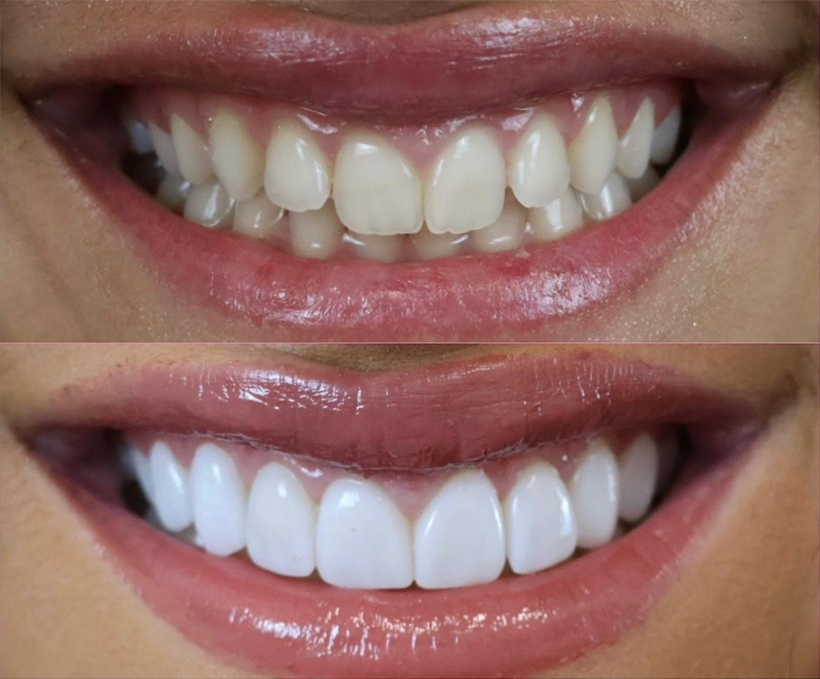
The difference
Three ways to get a straighter, whiter smile
No-prep, minimal-prep, and traditional veneers all use similar porcelain. What changes is how much of your natural tooth we touch to get there — and that depends on what your teeth are actually doing before we start
No-prep
Zero enamel removed. Best when teeth already sit close to where they need to be.
Minimal-prep — you are here
A small amount of enamel removed. For teeth that sit slightly forward, crowded, or too bulky for no-prep to sit naturally.
Traditional / porcelain
More reduction, more correction possible. For bigger changes in shape, color, or alignment.
The goal isn't less dentistry for its own sake — it's the smallest amount that actually gets the job done.
No-prep is the answer for some smiles. It isn't the answer for every smile. Minimal-prep exists for the ones in between.
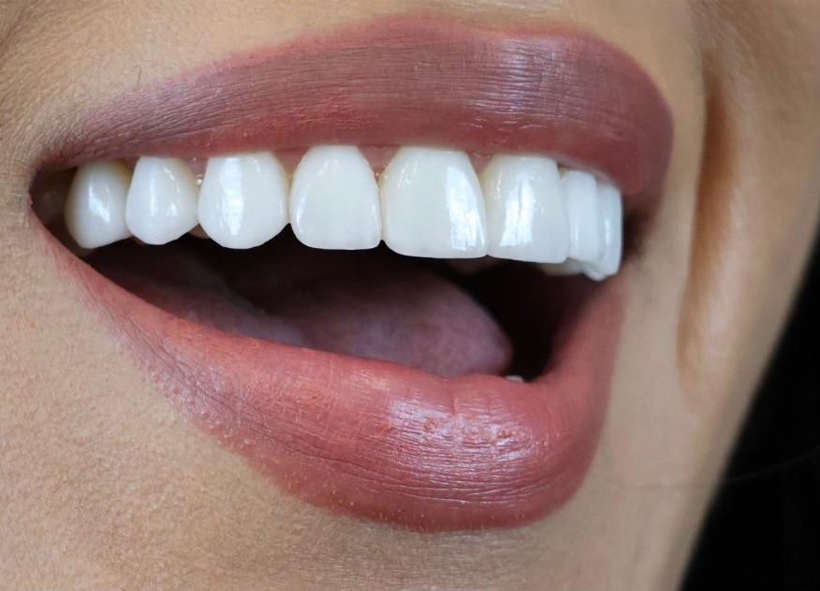
Actual patients of Dr. George Carr
Our work
Candidacy
Are you a candidate?
This is usually the second stop for people whose no-prep consult turned up something that needed a bit more room.
Usually a good fit
- Mild crowding or a tooth that sits slightly forward
- Teeth would look too bulky or unnatural with zero reduction
- Minor unevenness in length or edge position
- Healthy, structurally sound teeth
Needs a closer look first
- Significant crowding or rotation — orthodontics may need to come first
- A tooth that's had a root canal or has darkened from within — a crown usually serves this better than a veneer
- Large fillings, cracks, or a broken tooth — also a crown conversation
- Wants the most dramatic possible change — see porcelain veneers instead
Pricing · per tooth
Same materials, same pricing as no-prep.
Minimal-prep uses the same porcelain options as no-prep — composite through feldspathic. The only thing that changes is how much enamel we remove to get you there.
$450–$1,700per tooth, depending on material
These are estimates. Your exact figure is confirmed at your consult, in writing, before anything begins. One thing worth saying plainly: dental insurance does not pay for aesthetic treatment.
The process
How it actually goes
Visit 1
Consultation, smile design and impressions
We map out exactly how much correction is needed and design the shape and shade together, before any tooth is touched.
Visit 2
Prep visit — a small amount of enamel removed
Unlike no-prep, this step does involve reducing a small amount of enamel — but it is light enough that anesthetic usually is not needed for the prep itself. Temporaries may be worn while your final veneers are made.
Visit 3
Try-in of your final veneers, then bonding
We check fit, shade and bite before permanently bonding — anesthetic is typically used at this seating appointment for your comfort.
Questions
Before you book
How is this actually different from no-prep?
No-prep removes zero enamel — it works by adding a thin layer of porcelain on top of teeth that are already close to where they need to be. Minimal-prep removes a small, deliberate amount of enamel first, which creates room to correct crowding or bulk that no-prep can't fix without looking overbuilt.
Will it hurt more than no-prep?
The enamel reduction at the prep visit is light enough that anesthetic usually is not needed for it. Anesthetic is typically used at the seating appointment, when the veneers are bonded on, for your comfort. Some patients have mild sensitivity for a day or two afterward, similar to a filling.
Will I wear temporaries?
Often yes, for the short window between your prep visit and your final veneers — this protects the prepared teeth and lets you see roughly how the shape will look.
What if I find out I actually need a crown?
It happens, and it's not a bait-and-switch — a root-canaled tooth or one with significant structural damage usually holds up better long-term with a crown than a veneer. We'll tell you plainly if that's what we're seeing at your consult.
For general information beyond what's here: MouthHealthy.org (American Dental Association), and the Arizona State Board of Dental Examiners, where you can verify any dentist's license.
Book
Find out which one your smile actually needs.
We'll tell you honestly whether no-prep, minimal-prep, or something else altogether is the right fit — before you commit to anything.
Prefer to call? (480) 756-0194
© 2026 Live To Smile. All rights Reserved - Accessibility Statement - Privacy Policy - Sitemap
Managed and Designed by 